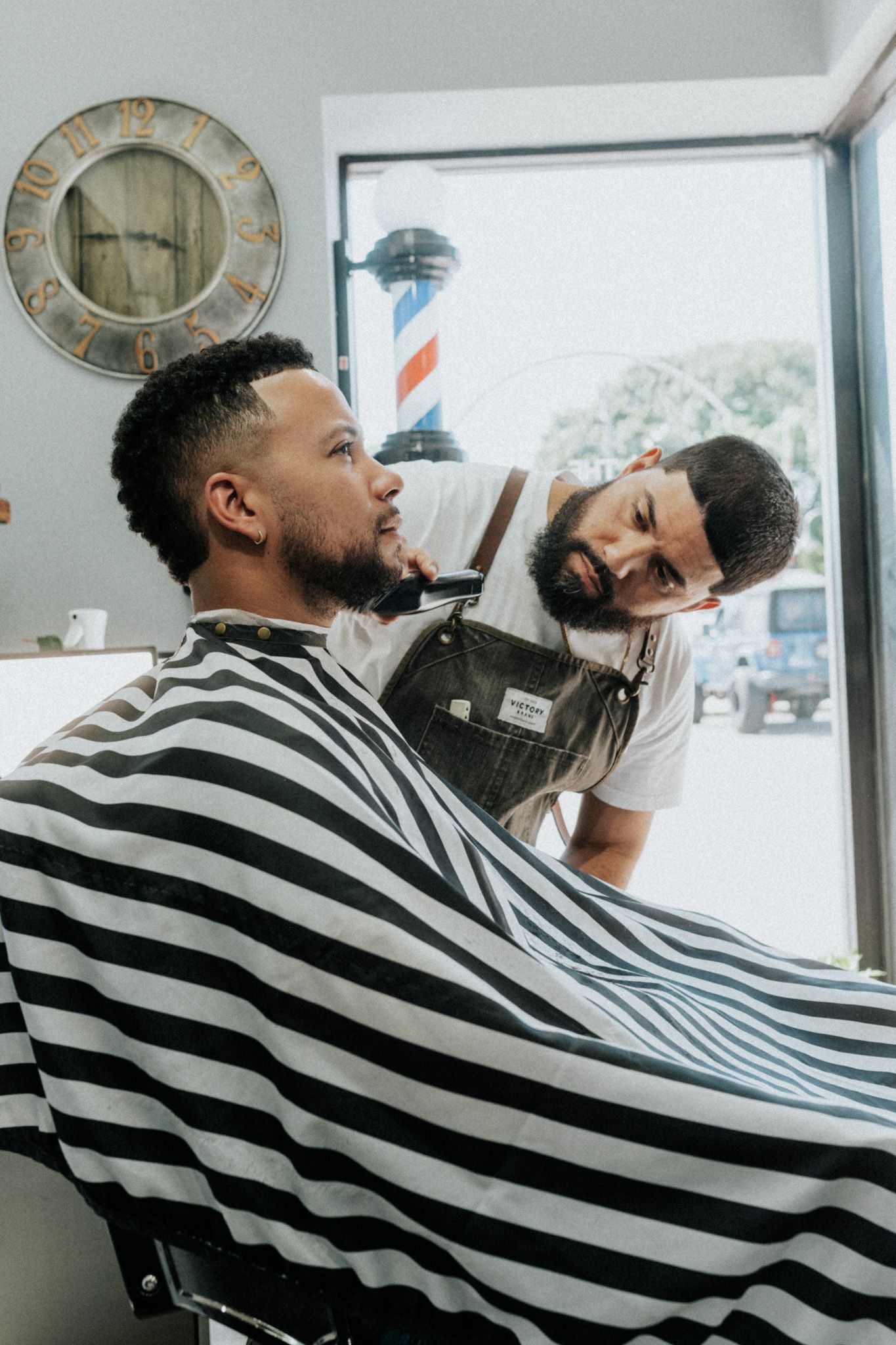
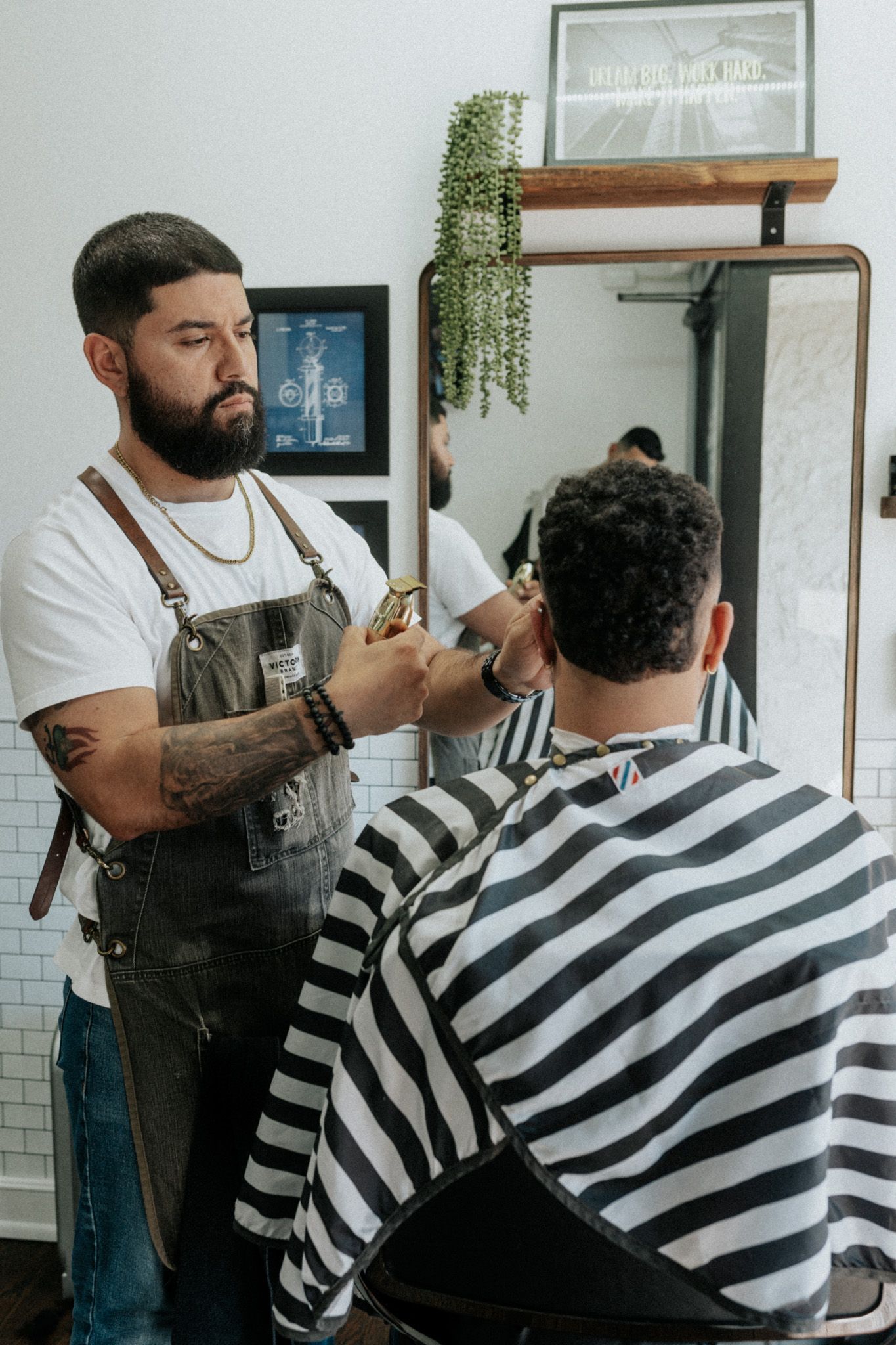
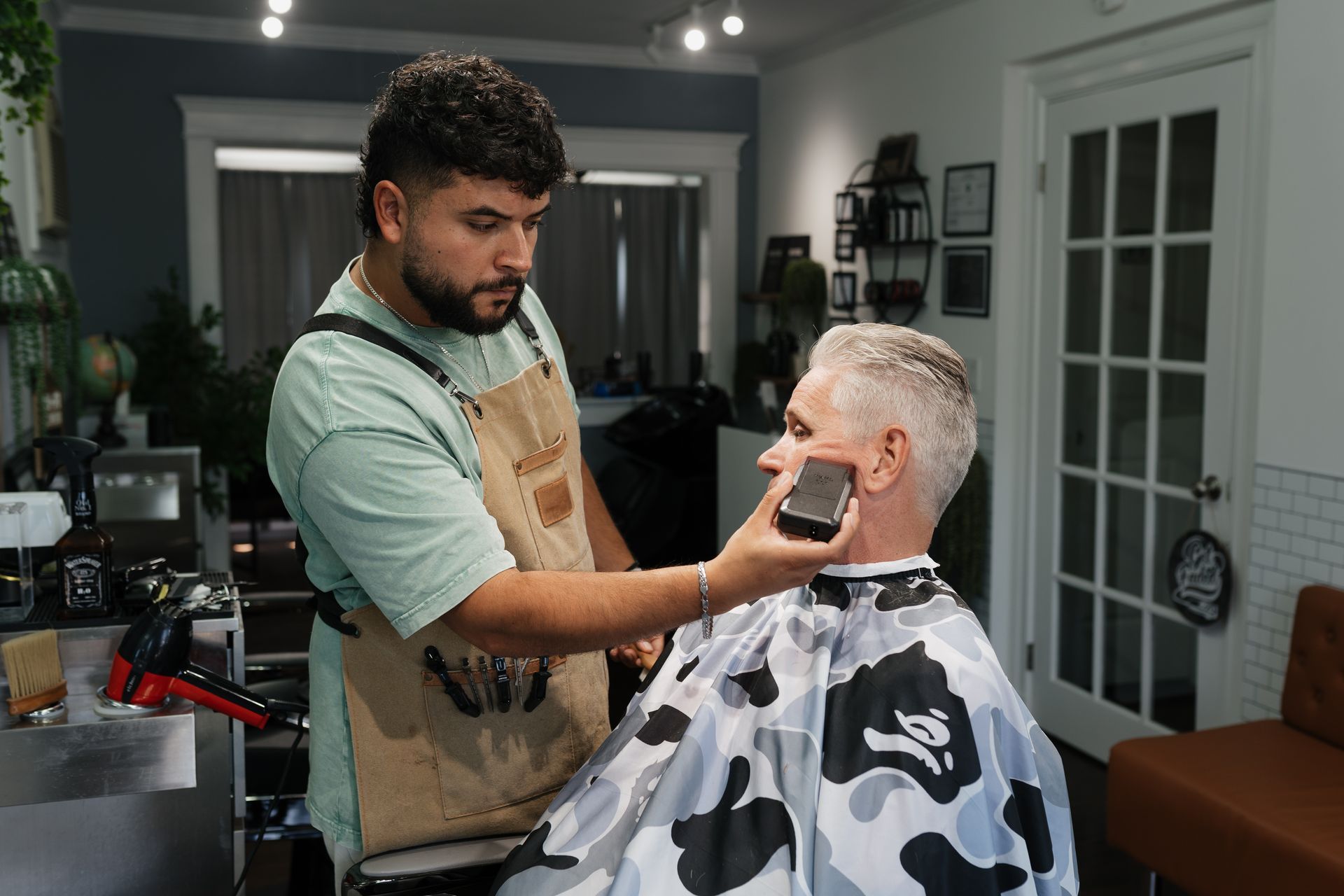
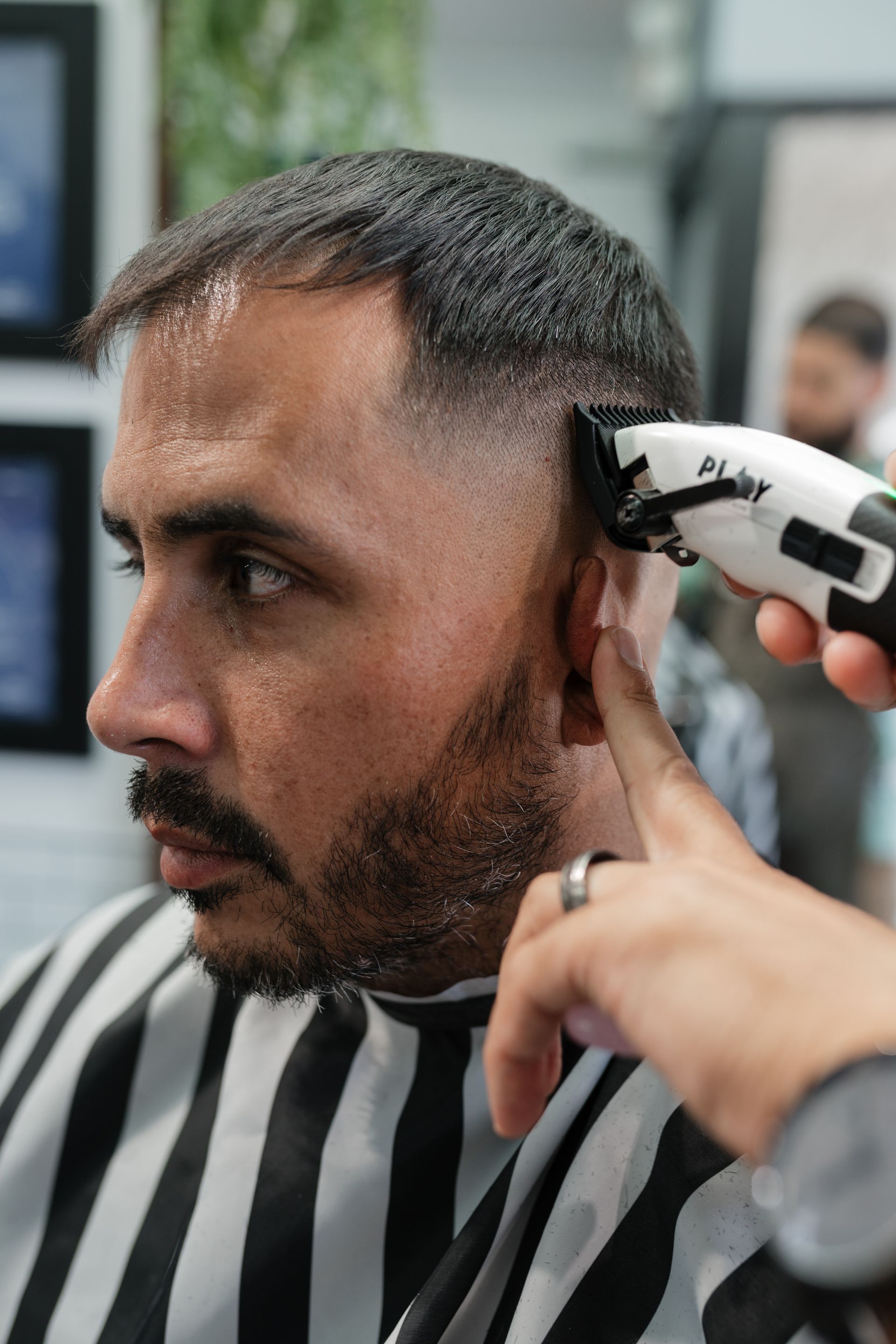
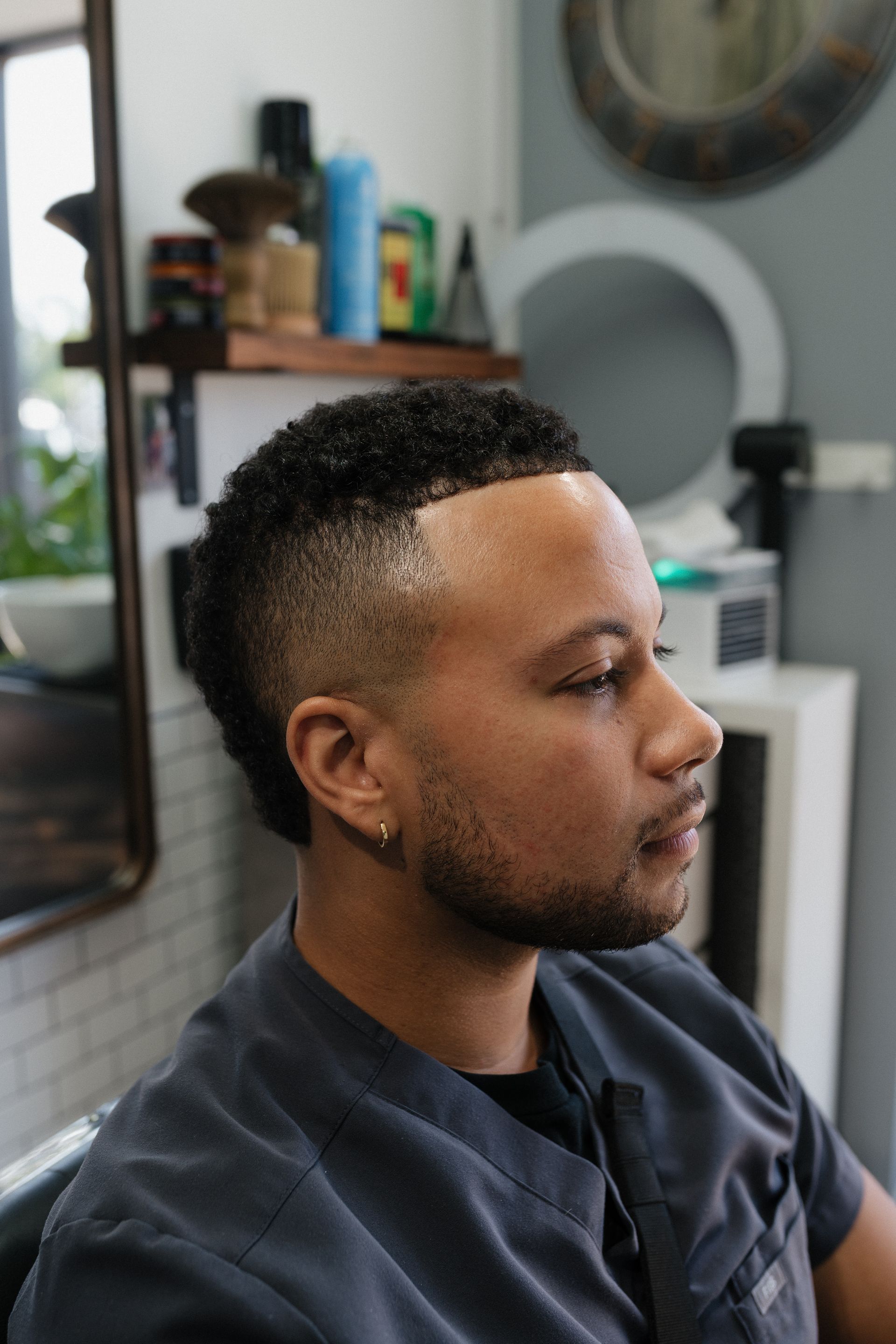
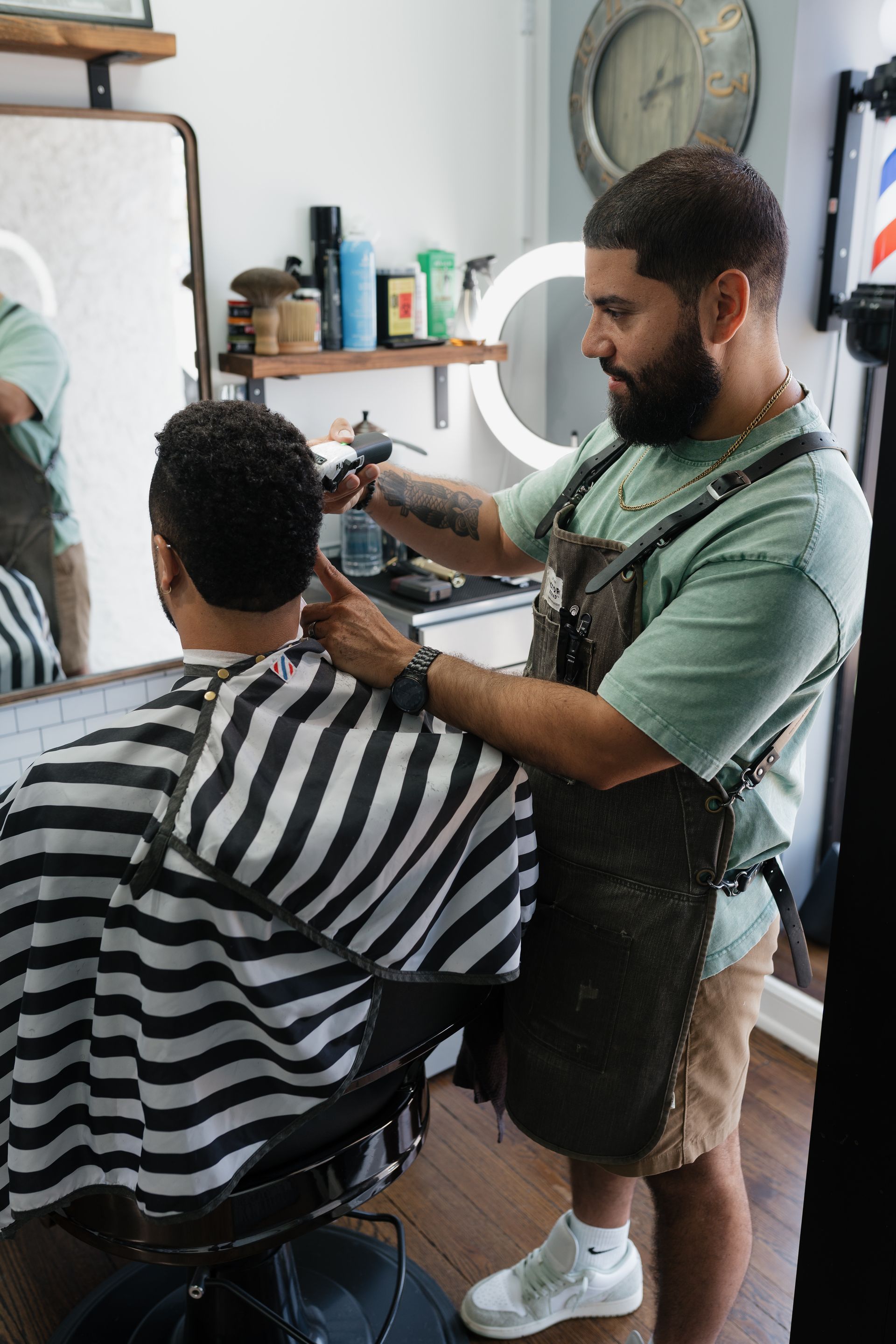
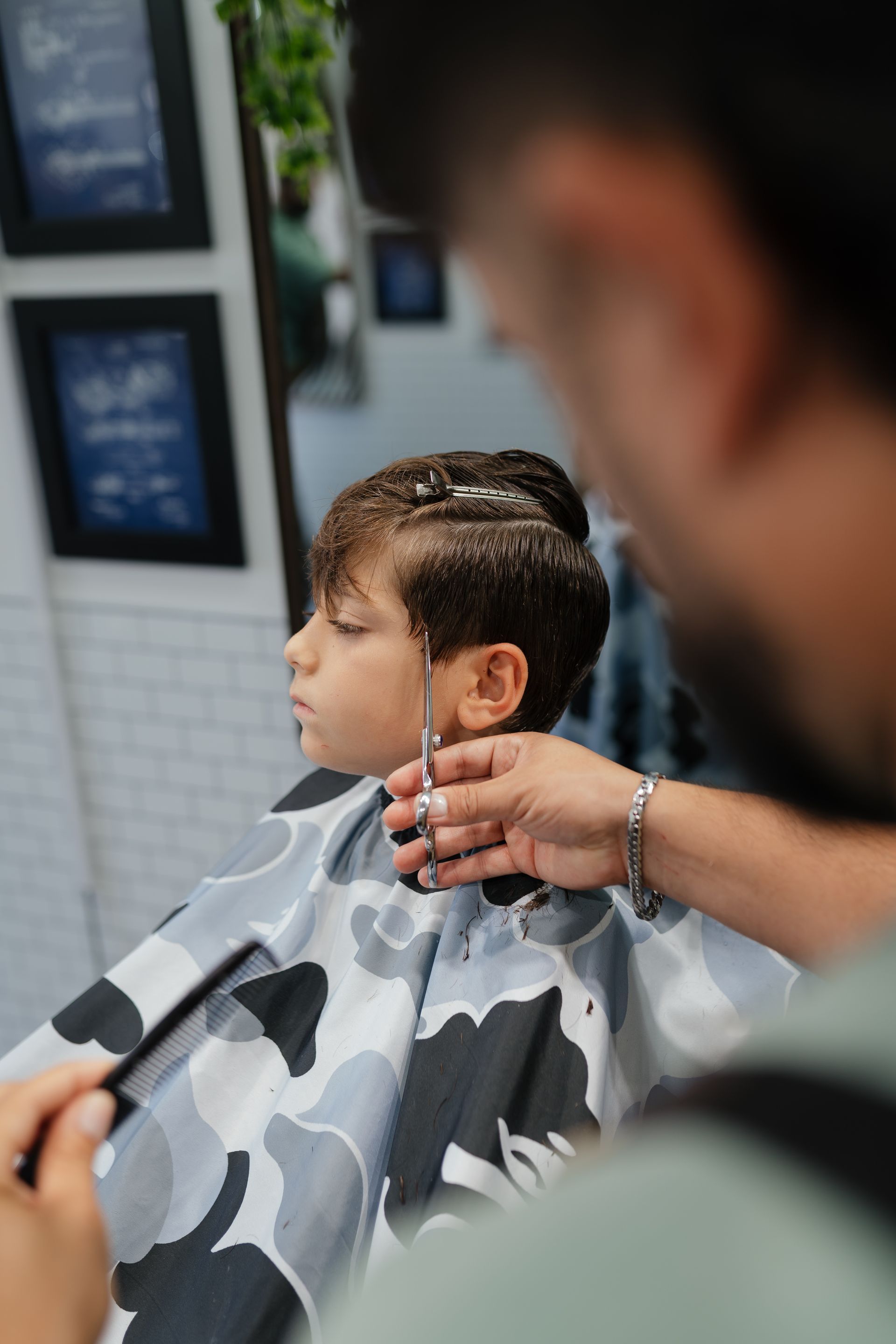
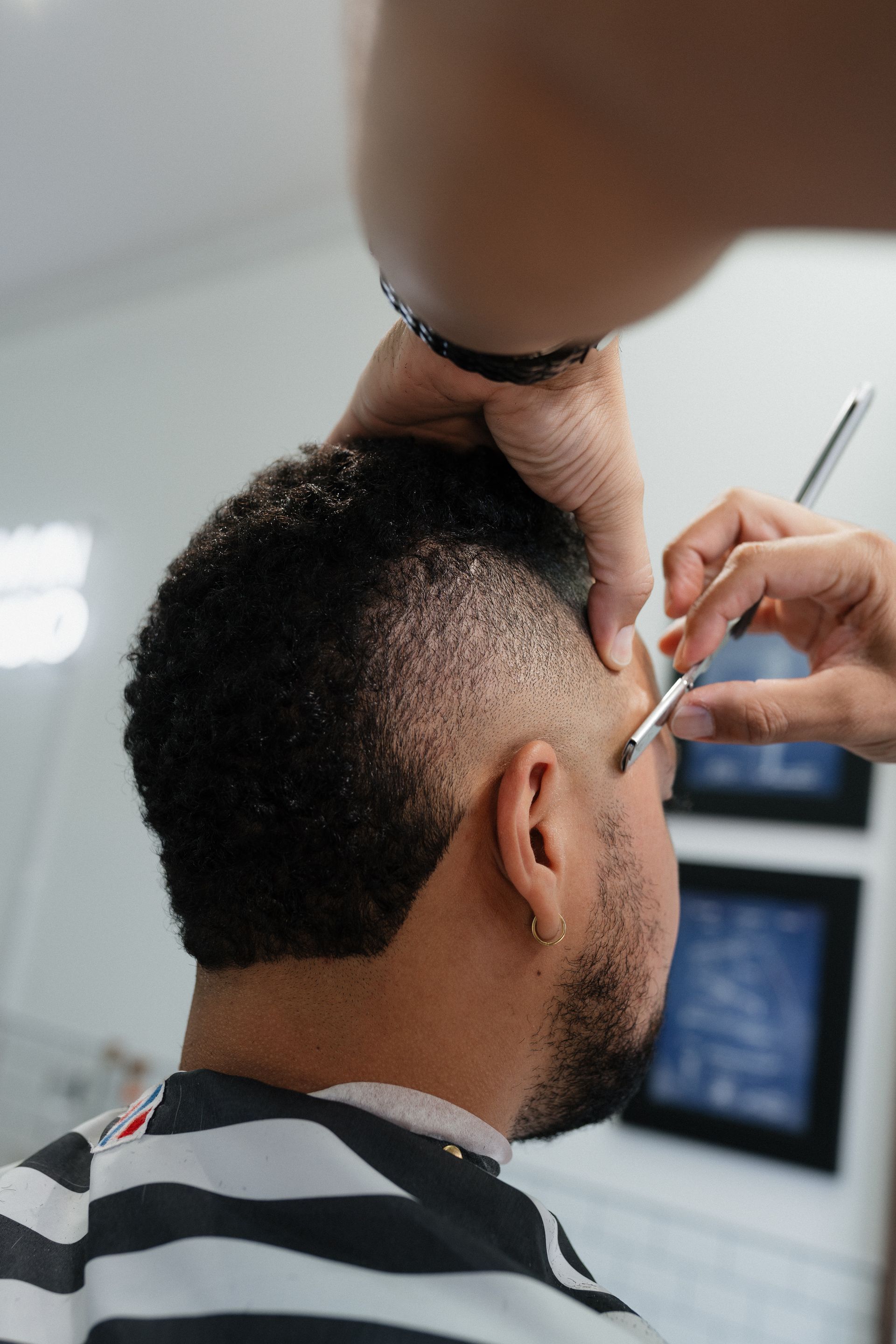
The best cut is the one that matches your hair texture, growth pattern, and how much time you want to spend styling it.
Finding the right Barber Shops option in Long Branch is not just about choosing a photo from a style book and hoping it works on your head. Hair behaves differently depending on texture, density, and the way it grows, and that difference shows up fast once you step outside into shore humidity or try to style it on a rushed weekday morning.
In our studio, we approach every appointment like a practical problem to solve: what does your hair naturally want to do, what look do you want, and what maintenance level fits your life. When those three line up, your haircut stops feeling like a gamble and starts feeling consistent, week after week.
Long Branch also has a lot of movement. You might live near West End, Elberon, North Long Branch, Ocean Township, or close to Monmouth University, and your schedule can change with the season. So the “best” shop is usually the one that can deliver reliable results for your hair type, while making it easy to plan your next visit.
What “best” really means when you’re choosing Barber Shops in Long Branch
A strong barber experience is less about chasing trends and more about fit. We see it all the time: two people ask for the same style, but one has tight curls and a swirl at the crown while the other has straight hair that lays flat. Same request, totally different roadmap.
When you’re evaluating Barber Shops, focus on a few practical indicators:
• Does the shop start with a real consultation, or jump straight into cutting?
• Can the barber explain why a certain fade height, length, or shape will work for your hair?
• Do you leave with a plan for styling and maintenance, not just a fresh cut?
• Are the results consistent across visits, not just good “this one time”?
In Long Branch, convenience matters too. Online discovery, easier booking, and clear expectations around timing have become part of the experience. It is simply easier to stay on schedule when you can plan ahead and know what you are walking into.
The consultation that actually changes the outcome
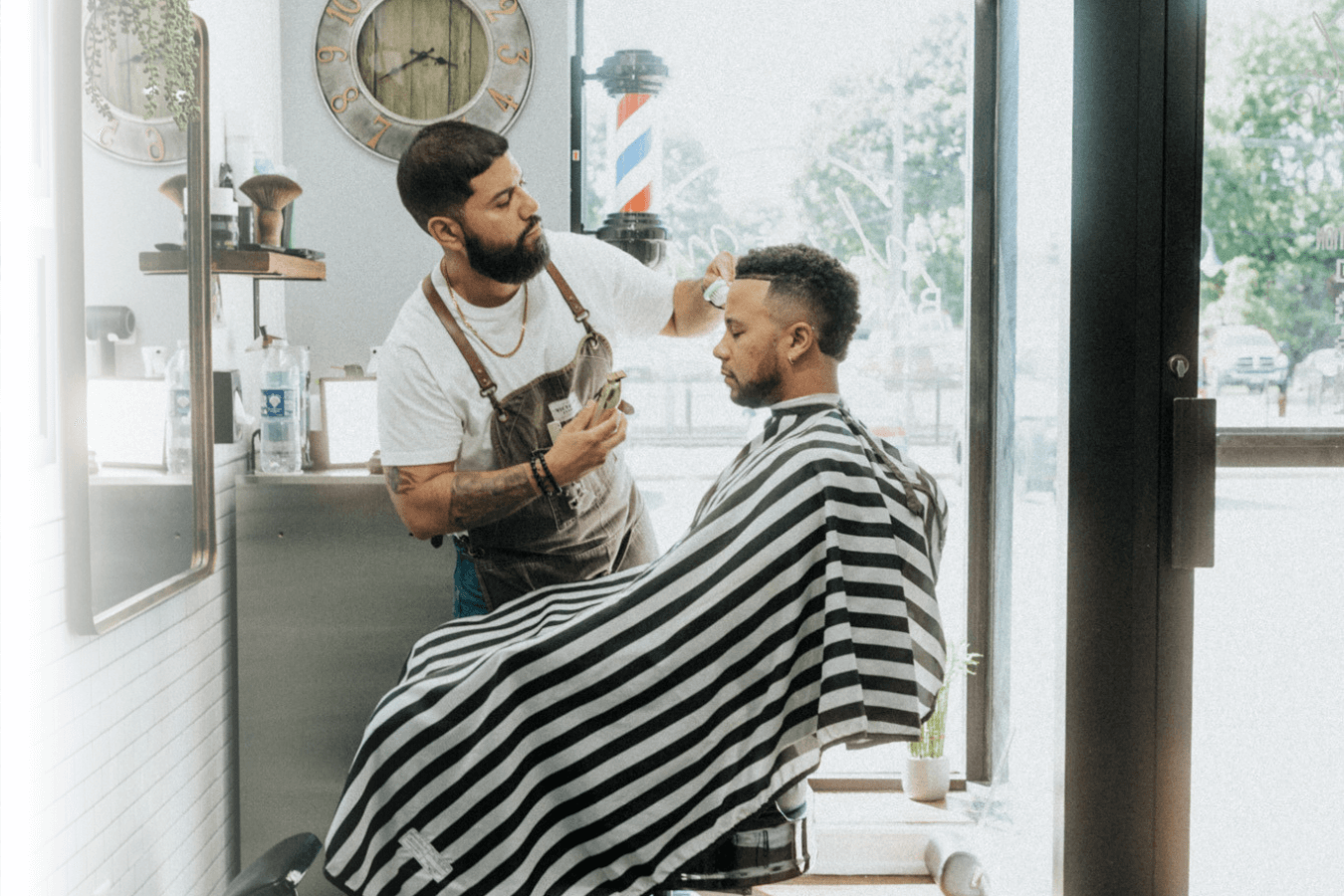
A solid consultation should feel quick but specific. We like to learn a few things before we commit to a direction, because your hair type dictates the technique.
Here’s what we evaluate in a first visit:
1. Texture and density, including how your hair reacts to humidity and product
2. Growth pattern, especially cowlicks, crown direction, and beard growth lines
3. Head and face shape, because proportions matter more than most people think
4. Your routine, meaning how often you want to style and how much time you have
5. Your maintenance schedule, like whether you want a weekly clean-up or a longer grow-out
If a barber cannot comfortably talk through those basics, the haircut can still look fine in the chair, but it may fall apart at home. The goal is a cut that behaves on day 10 the way you need it to, not just on day 1.
Matching the cut to your hair type in Long Branch weather
Long Branch life has its own variables. Wind off the water, humid summer days, hats, gym time, and busy weekends can all stress-test a haircut. The right approach depends on your hair type and what you want your hair to do when you are not actively thinking about it.
Curly hair: shape first, then length
Curly hair is all about controlled shape. If we cut curls like straight hair, the end result often looks uneven once the curls spring back. For curls, we focus on balance, weight distribution, and how the curl pattern sits around the temples and crown.
What to ask for if you have curls:
- A shape that keeps volume intentional, not mushroom-like
- A taper or fade that blends into the curl pattern instead of cutting it off abruptly
- Product guidance that supports definition without crunch or grease
Maintenance tip: curly hair usually looks best when you schedule consistent clean-ups, because the outline can get bulky faster than you expect, especially around the sides.
Coarse or thick hair: control and reduce bulk without thinning it out wrong
Coarse hair can be a gift, but it needs strategy. Thick hair builds weight quickly, and a cut that is too short in the wrong spot can stick out or “shelf” along the ridge of the head.
Our approach is usually a blend of precision clipper work and controlled scissor work to remove bulk while keeping the hair laying naturally. We also pay attention to how your hair grows forward, sideways, or straight up, because thick hair tends to show every mistake.
What to ask in your consultation:
- Where bulk should be removed and where it should be left for structure
- Whether a low, mid, or high fade will work with your head shape and density
- How to style it so it stays controlled in humidity
Maintenance tip: thick hair can look clean for a while, but it often feels heavy before it looks messy. Planning your next visit based on feel can be smarter than waiting until it looks grown out.
Straight hair: clean lines, careful blending, and no “helmet” shape
Straight hair shows every line, especially in fades and tapers. It can also lay flat, which makes the top look disconnected if the transition is not blended properly.
If you want a classic look, straight hair can deliver sharp results with simple styling. If you want something modern, straight hair can still do it, but the cut has to create movement, usually with texture and shape on top.
What to ask for with straight hair:
- A fade or taper that blends smoothly without dark bands
- Scissor work on top if you want movement or a softer finish
- Styling recommendations based on shine and hold preference
Maintenance tip: straight hair often benefits from regular edge work, because the outline is what keeps it looking intentional.
Wavy hair: work with the bend, not against it
Wavy hair sits right between straight and curly, which can be tricky because it can look puffy when it grows and flat when it is cut too short. For waves, we aim for a cut that uses the natural bend for texture while keeping the perimeter clean.
We typically plan wavy cuts around how the hair dries naturally. If you always air-dry, we cut with that in mind. If you blow-dry, the strategy can change.
What to ask for with wavy hair:
- A cut that keeps the wave pattern on top without letting the sides balloon
- A taper that keeps the sides controlled without looking too tight
- Product options that reduce frizz and keep the wave defined
Maintenance tip: wavy hair can shift a lot between seasons. A quick check-in at the change of weather can keep your style from drifting.
Thin or thinning hair: structure, softness, and smart contrast
Thinning hair needs a plan that protects your confidence without forcing a cover-up. The wrong contrast can make thin areas stand out more, so we focus on proportion, texture, and the right amount of tightness on the sides.
In many cases, shorter styles with controlled texture read fuller. But it is not one-size-fits-all. Your hairline, crown, and growth pattern decide the best route.
What to ask if your hair is thinning:
- A style that works with your hairline, not against it
- A blend that avoids harsh separation between top and sides
- A simple routine that does not rely on heavy product buildup
Maintenance tip: smaller, more frequent clean-ups can help thinning hair look consistent, because it avoids the “in-between” stage that can feel obvious.
Long hair for men: scissor skill and a plan for the awkward stage
Longer men’s hair needs scissor control and a clear grow-out strategy. If you are growing your hair out, the goal is to keep it looking purposeful while length builds. That means cleaning the ends, managing weight, and shaping around the ears and neckline without resetting your progress.
What to ask for with longer hair:
- A shape that keeps length but removes heaviness
- Guidance on how to tuck, tie back, or style as it grows
- A plan for keeping the neckline and sideburns clean between full cuts
Maintenance tip: even when you want length, you still need upkeep. Small trims and clean necklines keep long hair looking intentional, not accidental.
How to choose the right haircut based on your maintenance level
Hair type matters, but lifestyle matters just as much. We always want to know whether you want a haircut that looks great with minimal effort, or a style that you are happy to shape daily.
A helpful way to think about it is maintenance tiers:
- Low maintenance: tighter sides, controlled top, easy product, fewer bad hair days
- Medium maintenance: more length and styling flexibility, but you will style most days
- High maintenance: trend-forward shapes, longer tops, more blow-drying, frequent touch-ups
If you are searching “Barbershops in Long Branch, NJ” because you need something dependable for work, school, or a busy schedule, low to medium maintenance usually wins. It is not boring, it is realistic.
Fades, tapers, and beard pairing: details that depend on hair and face
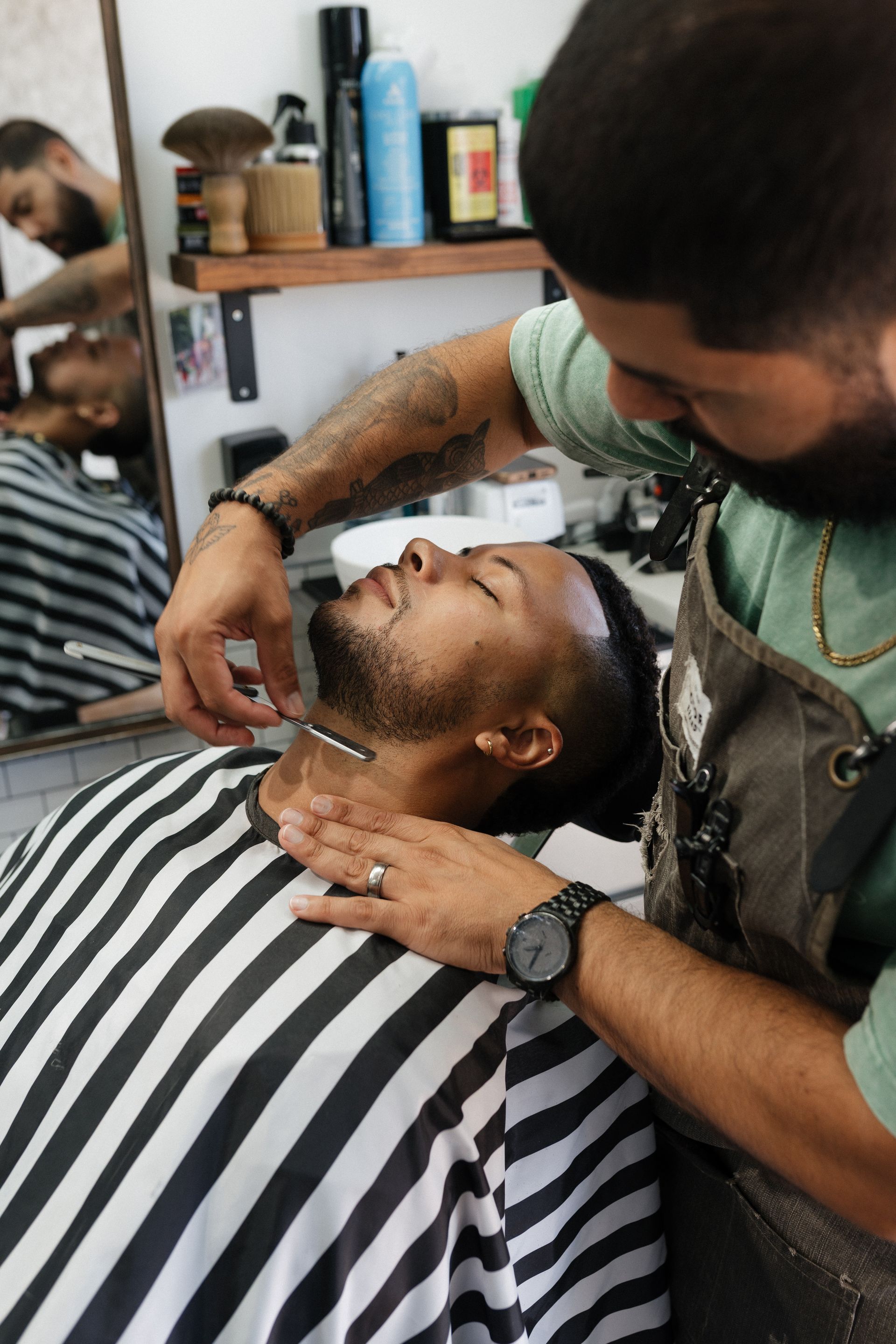
A great cut is a combination of top, sides, and facial hair. In a Barbershop for Men Long Branch, NJ, the value is often in the small decisions, like where the fade starts, how the corners are kept, and how the beard line complements the haircut.
We typically talk through:
- Fade type: low, mid, high, drop fade, or taper depending on head shape and density
- Edge and outline: clean but not harsh, especially if you are prone to irritation
- Beard pairing: balance the jawline, blend the sideburn area, and keep lines natural
Beard texture matters too. Coarse beards need different shaping and product recommendations than finer beards, and your neckline should be set based on your growth, not just a generic line.
What to bring up in your first visit so you get the result you want
You do not need the perfect barber vocabulary. Clear information beats fancy terms. If you want your first visit to go smoothly, tell us what matters in your day-to-day.
Use this quick checklist:
- What you liked and disliked about your last haircut
- How often you want to come in for maintenance
- Whether you style daily, sometimes, or almost never
- Any trouble spots: cowlicks, a stubborn crown, thinning areas, irritation
- Your beard goals if you want the haircut and beard to flow together
This is also where photos help. Not to copy someone else exactly, but to show vibe, length, and finish. One good photo and a clear maintenance goal can save a lot of back-and-forth.
How often you should return for clean results
Timing depends on your haircut and how sharp you like it. Some people want a crisp outline all the time, and some people prefer a softer grow-out. We plan your schedule around your preferences, not a strict rule.
A practical guideline:
- Skin fades and sharp fades: every 2 to 3 weeks for the cleanest look
- Tapers and classic cuts: every 3 to 5 weeks depending on growth
- Longer scissor cuts: every 6 to 10 weeks, with neckline clean-ups as needed
- Beard line and shape-ups: often every 1 to 3 weeks if you want it dialed in
If you are new to Barber Shops in the area, consistency is what builds trust. The more we see your hair over time, the more precisely we can refine the cut to your growth pattern.
Take the Next Step
If you want a cut that actually fits your hair type and your routine, that is exactly what we focus on at Modern Man Barber Studio. Our approach is simple: we start with consultation, choose techniques that match your texture and growth pattern, and make sure you leave knowing how to keep the look working between visits.
Whether you are coming from West End, Elberon, North Long Branch, Ocean Township, or near Monmouth University, we make it easy to settle into a grooming rhythm that feels dependable. When your haircut is built around how your hair behaves, choosing Barber Shops stops being a search and starts being a routine you can count on.
Need a new barber? Start your grooming journey with a visit to Modern Man Barber Studio.